How to Choose a Real Estate Photographer for Your Next Listing
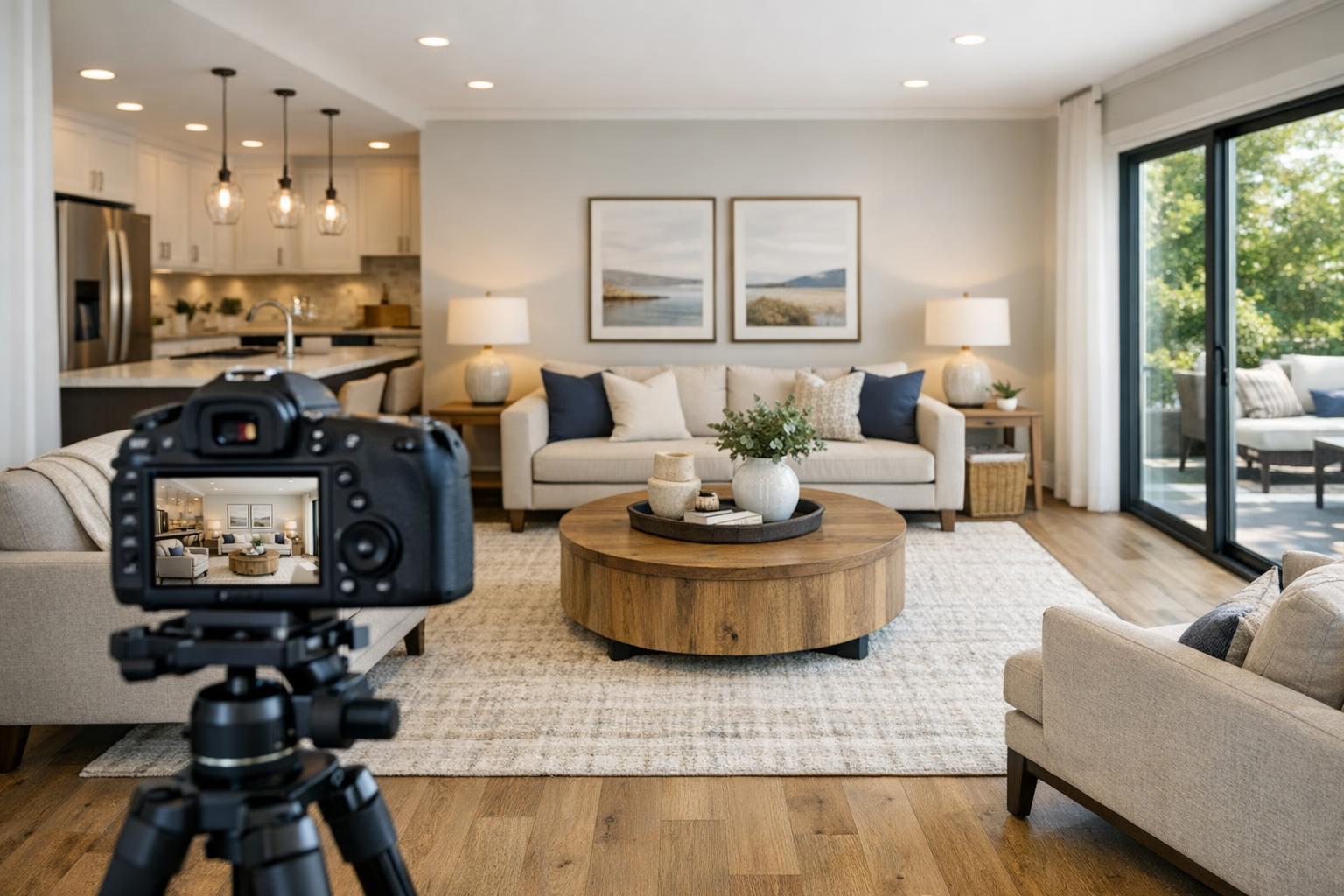
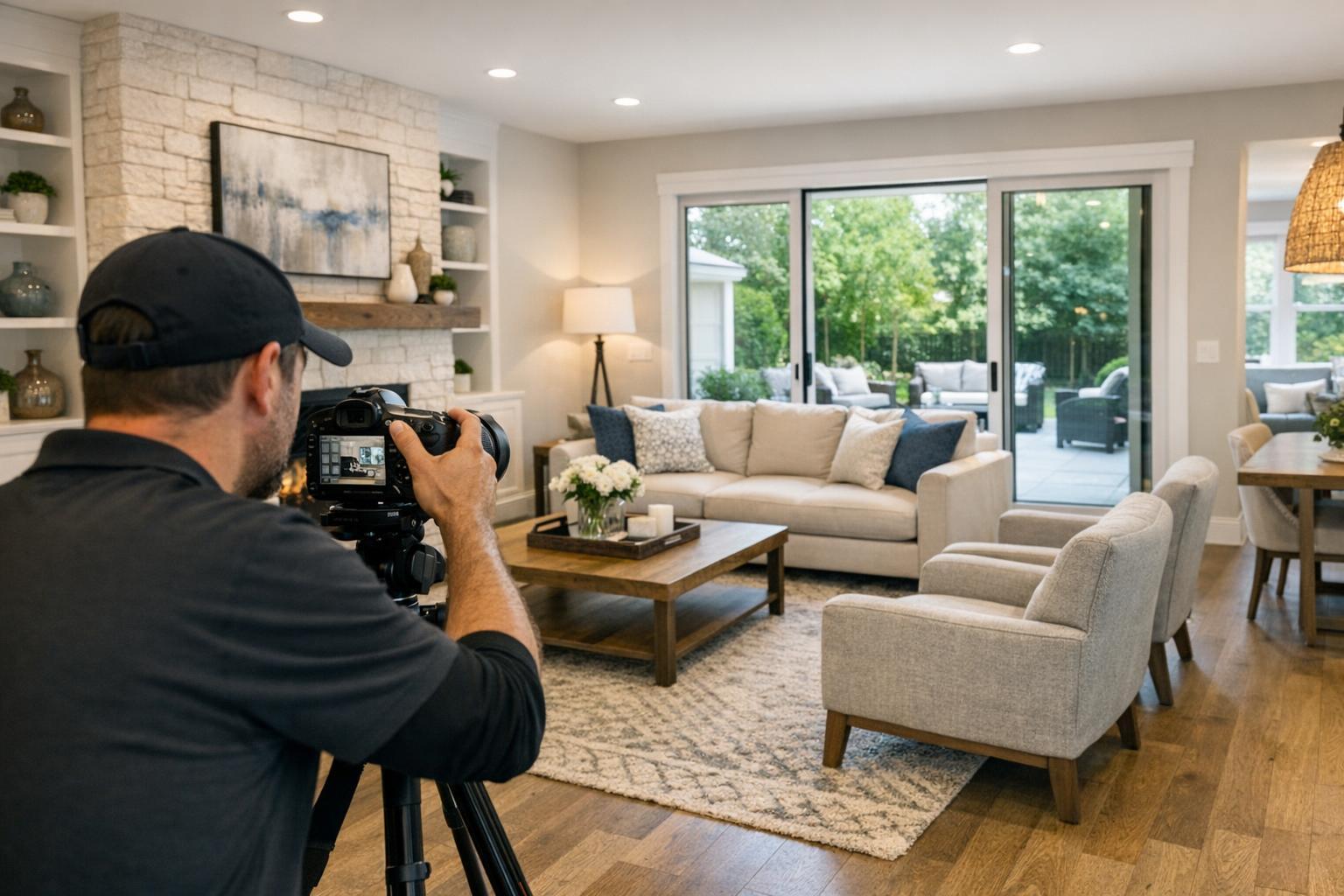
A real estate photographer captures a modern living room with a cozy seating arrangement and large sliding doors leading to a patio.
How to Choose a Real Estate Photographer for Your Next Listing
A real estate photographer plays a critical role in the visual marketing of a property. Agents, brokers, landlords, and property managers in NYC, New Jersey, and nearby areas face a practical question: What separates a competent property photographer from someone who truly helps you present your listing effectively? The answer goes well beyond a sparkling online portfolio.
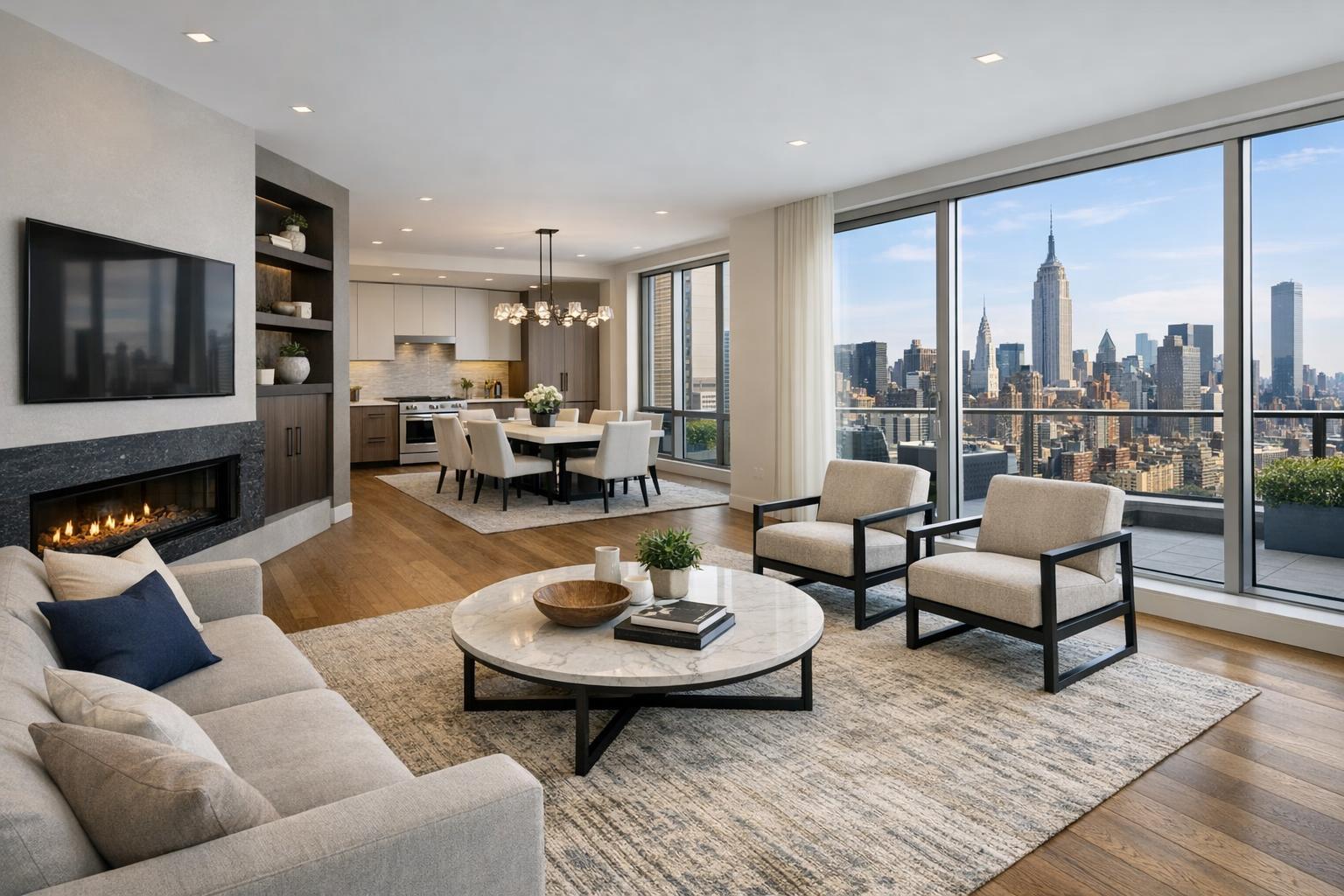
A buyer or renter sees the rooms, layout, and architectural details only through your chosen media. The right real estate photography services deliver more than bright, attractive images—they communicate the proportion, flow, and usability of a space so that people can quickly understand if a property matches their needs.
Looking Past the Best Shots: Consistency and Transparency
Most real estate photographers show highlight reels—hero images from beautiful rooms, perfect weather, or staged settings. That’s natural, but when evaluating photographers, consistency across diverse properties is real proof of skill.
Ask to see whole galleries from several listings, not just “greatest hits.” How does the photographer handle windowless bathrooms, tight hallways, challenging lighting, or everyday spaces? Pay attention to:
- Balanced exposure: Images should feel bright and readable while preserving both window views and room details. Overexposed windows or unnaturally shadowy interiors typically mean significant information is lost.
- Controlled perspective: Vertical architectural lines—like walls and doors—should stay visually straight. Distorted lines can make a room seem off even if the viewer can’t pinpoint why.
- Honest proportions: Wide-angle lenses are standard in real estate photography, but they should not turn small rooms into sprawling illusions. A good photographer makes rooms look spacious but truthful, choosing angles and compositions that show how each space relates to others.
- Natural editing: Editing should clarify, not misrepresent—even when the sky, lighting, or color needs improvement. What you see in the gallery should honestly represent what a buyer or tenant would see on a real visit.
Consistency like this is especially important in NYC apartments or brownstones, where challenging layouts, tall ceilings, and period details can disrupt even a skilled photographer’s usual approach. The same applies to New Jersey homes where yard size, outbuildings, and lot lines matter. In every scenario, accuracy and legibility come first.
Matching the Scope to the Property—Not a Predetermined Package
Every listing is unique. A Manhattan studio shouldn’t require the same coverage as a multi-level Brooklyn townhouse or a sprawling New Jersey home. A real estate photographer should ask about your property and recommend coverage based on:
- The property’s size, layout, and architectural features
- Which rooms or amenities are most important for your target audience
- Whether exterior spaces and amenities (gardens, decks, parking) add significant value
- The marketing strategy—focused and streamlined, or comprehensive and story-driven
Instead of defaulting to the largest package, select a scope matching the listing. For some NYC apartments, showing the living area, kitchen, bath, storage, and building amenities is sufficient. For a four-story brownstone or suburban home, broad, visual storytelling—inside and out—can be the right approach. For commercial and mixed-use spaces, clarity about layout, frontage, and use areas is often what sets a listing apart.
Beyond Photos: When Additional Media Makes Sense
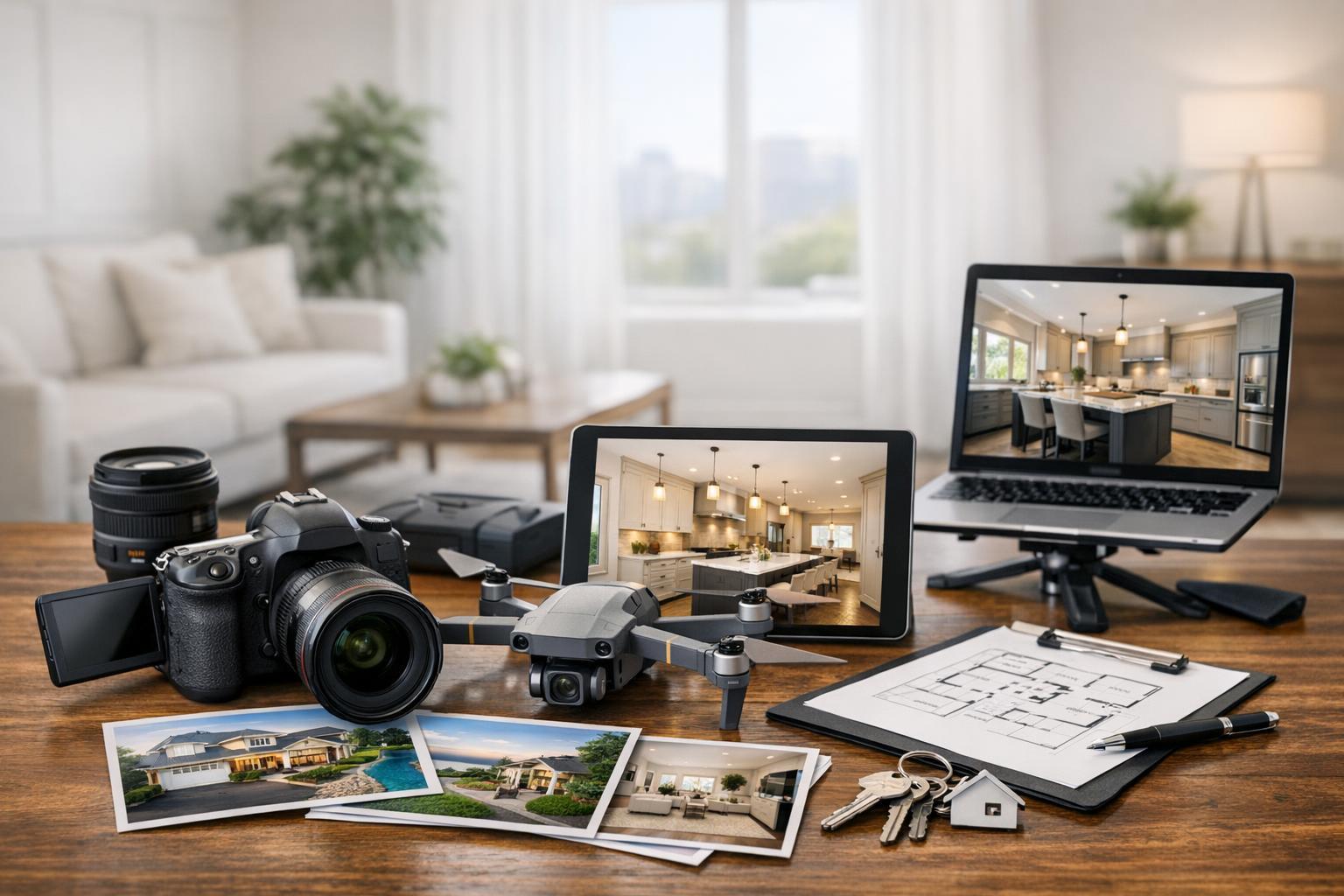
Still images tell the story of most listings, but they don’t answer every question. Consider complementary media when:
- A floor plan could clarify complex or multi-level layouts. Floor plans are particularly effective if the listing has joined units, odd-shaped rooms, or spaces that don’t photograph easily. These are always captured on site; plan access accordingly.
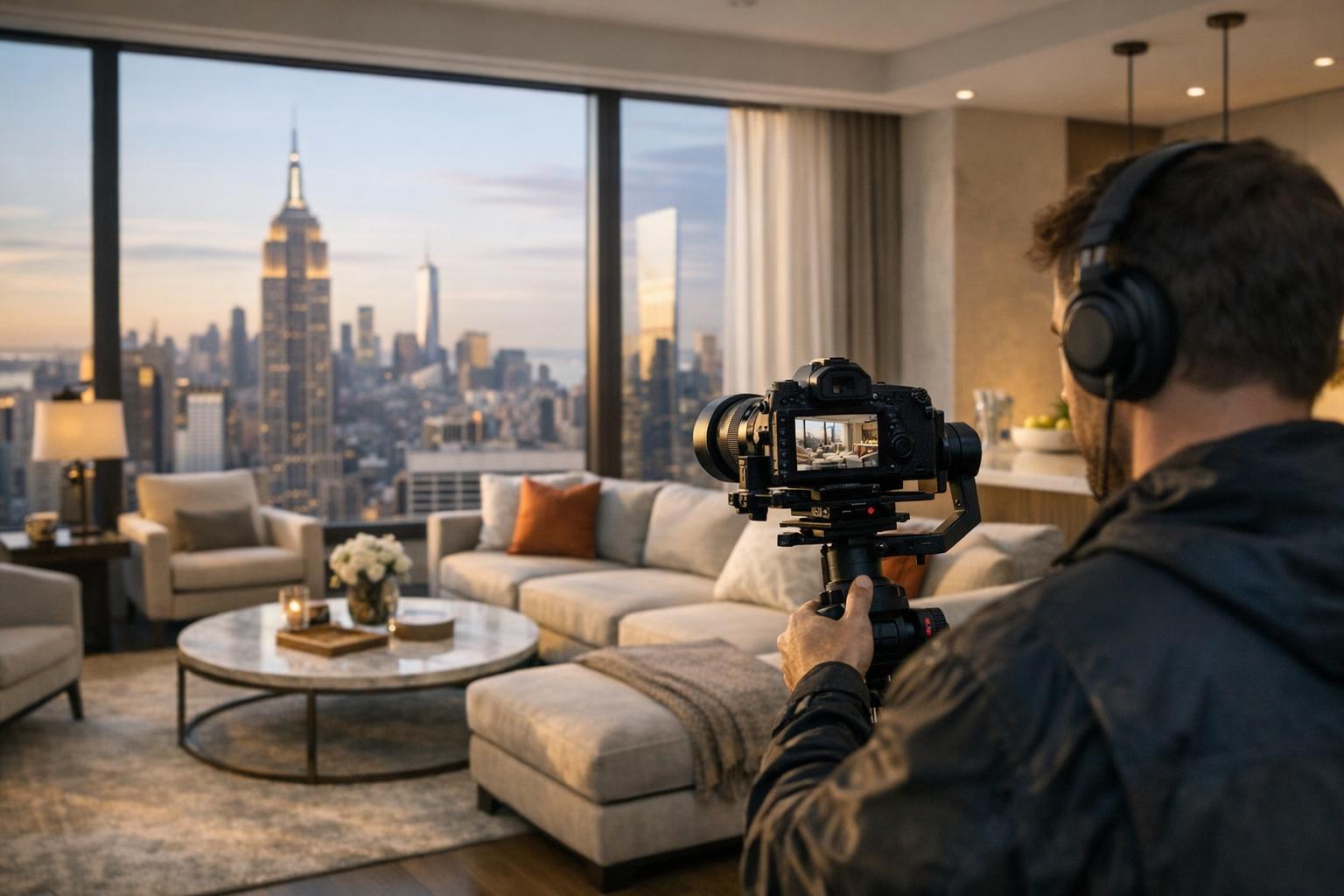
- Video presentations add flow and sequence, helping viewers experience movement from space to space. Video also highlights features that still images might not effectively communicate, such as a dramatic entrance or garden path. Professional real estate photography services in NYC and NJ often offer on-site listing videos as a distinct capture—not a slideshow stitched from stills.
- 3D virtual tours (Matterport, Zillow 3D, etc.) allow remote viewers to explore interactively, which is valuable for large homes, unique layouts, or listings drawing out-of-state interest.
- Drone media offers aerial context—for properties with land, roof access, distinctive exteriors, or waterfront settings. In core NYC and inner suburbs, airspace and safety rules may limit feasibility, but in New Jersey or on larger lots, drone images can tell the full story of a property’s context.
Each add-on should be chosen for its relevance, not out of habit.
Communication and Coordination: More Than an Image Gallery
A photographer’s skill with a camera matters, but so does the ease of working together. Before you book, take note of how they handle questions about:
- Access, building rules, and any required certificates (especially common in Manhattan apartment buildings)
- Room selection and property readiness
- Tenant or resident schedules, pets, and sensitive spaces
- Outdoor access, weather-related challenges, or gated entries
Photographers who ask practical, logistics-focused questions are the ones who help prevent avoidable delays on shoot day and ensure respectful, organized service—even in occupied homes.
Questions That Get Better Results
Don’t limit your pre-shoot questions to rates and portfolio requests. To find a true partner, ask:
- Can I see full galleries from previous listings with similar layouts?
- How do you balance exposure for bright windows and shadowy areas?
- What’s your standard editing process? Is there an option for advanced retouching if needed?
- How do you approach mixed lighting?
- How do you work with occupied or actively used spaces?
- What is the usual turnaround and delivery method?
- What media do you recommend for my specific property, and why?
- What happens if weather impacts outdoor or drone coverage?
Clear answers show attention to detail and a willingness to provide property-specific recommendations.
Getting Properties Ready: Preparation Makes the Difference
No amount of professional skill can fully compensate for cluttered, unfinished, or poorly lit rooms. Preparation is a shared responsibility, whether the listing is vacant, tenant-occupied, furnished, or empty.
Before the appointment:
- Walk the property as if you’re an online buyer. Declutter, clear surfaces, and decide what should appear in each image.
- Open blinds and turn on all working lights if the view matters.
- Confirm access to all relevant rooms and amenities.
- Prepare occupied homes by working with residents to reduce distractions and plan schedules.
- Advise the photographer about any access limitations or rooms to omit.
For virtual staging, note that empty spaces work best. If a room is furnished, excess items or clutter may need to be removed before digital furniture is added.
Understanding Value: Price Transparency and Service Fit
Price is a factor, but not the whole story. Inconsistent images, unclear deliverables, and added stress can outweigh a low rate. Reputable real estate photography services should share:
- What’s included—number of images, editing, and turnaround
- Clear delivery details and formats
- Travel fees or special access charges for certain areas
- Add-ons like floor plans, video, virtual tours, or drone coverage if needed
- Policies for weather, rescheduling, or on-site obstacles
At RealtaSnap, for instance, clients can tailor coverage from a focused 10-photo set to more expansive packages, depending on property size and requirements. The goal: effective media for each listing, not just a generic selection. You can view RealtaSnap real estate photography services for further details and available options.
Local Expertise: Why Regional Experience Matters
A real estate photographer’s understanding of NYC and New Jersey markets isn’t about local branding—it’s about knowing how buildings, policies, and property types shape the logistics of a photo shoot. In Manhattan or Brooklyn, access procedures, elevator reservations, lobby amenities, and views framed by city buildings often factor into the process. In New Jersey, a photographer needs to plan for exterior shots, broader lots, driveways, and sometimes multi-building coverage.
RealtaSnap is familiar with these local operational realities. The online booking process allows for clear address entry, service selection, access instructions, and notes about special features—tools that support a smooth experience across diverse properties and client types.
Choosing the Right Photographer Makes Every Listing Easier to Understand
The right real estate photographer doesn’t just make a property look good—they make it easy for buyers, renters, or lessees to quickly grasp what’s actually on offer. When you review work, discuss logistics, prepare your space, and select relevant media, your listing marketing becomes efficient, clear, and professional.
For listings in NYC, New Jersey, or nearby, you can explore services or book directly through www.RealtaSnap.com.
FAQ
Question: How many images should I use for my listing?
Answer: The best photo count reflects property size, layout, and must-show features, rather than just square footage. Smaller apartments might only need focused images, while large homes or commercial listings may require additional photos for layout clarity, exterior amenities, or architectural details.
Question: Is professional photography recommended for occupied listings?
Answer: Yes. With clear communication about access, room selection, and preparation, occupied homes can be photographed effectively. Notify the photographer about any scheduling, resident, or access requirements ahead of time to streamline the process.
Question: When does a floor plan add more value than extra photos?
Answer: Floor plans are especially useful for listings with unusual layouts, multiple levels, or spaces that are hard to capture visually. They help remote viewers understand how rooms and areas relate, especially when photos alone can’t tell the whole story. If you consider a floor plan, ensure all necessary areas are accessible during the appointment.