How to Choose a Manhattan Real Estate Photographer for Your Listing
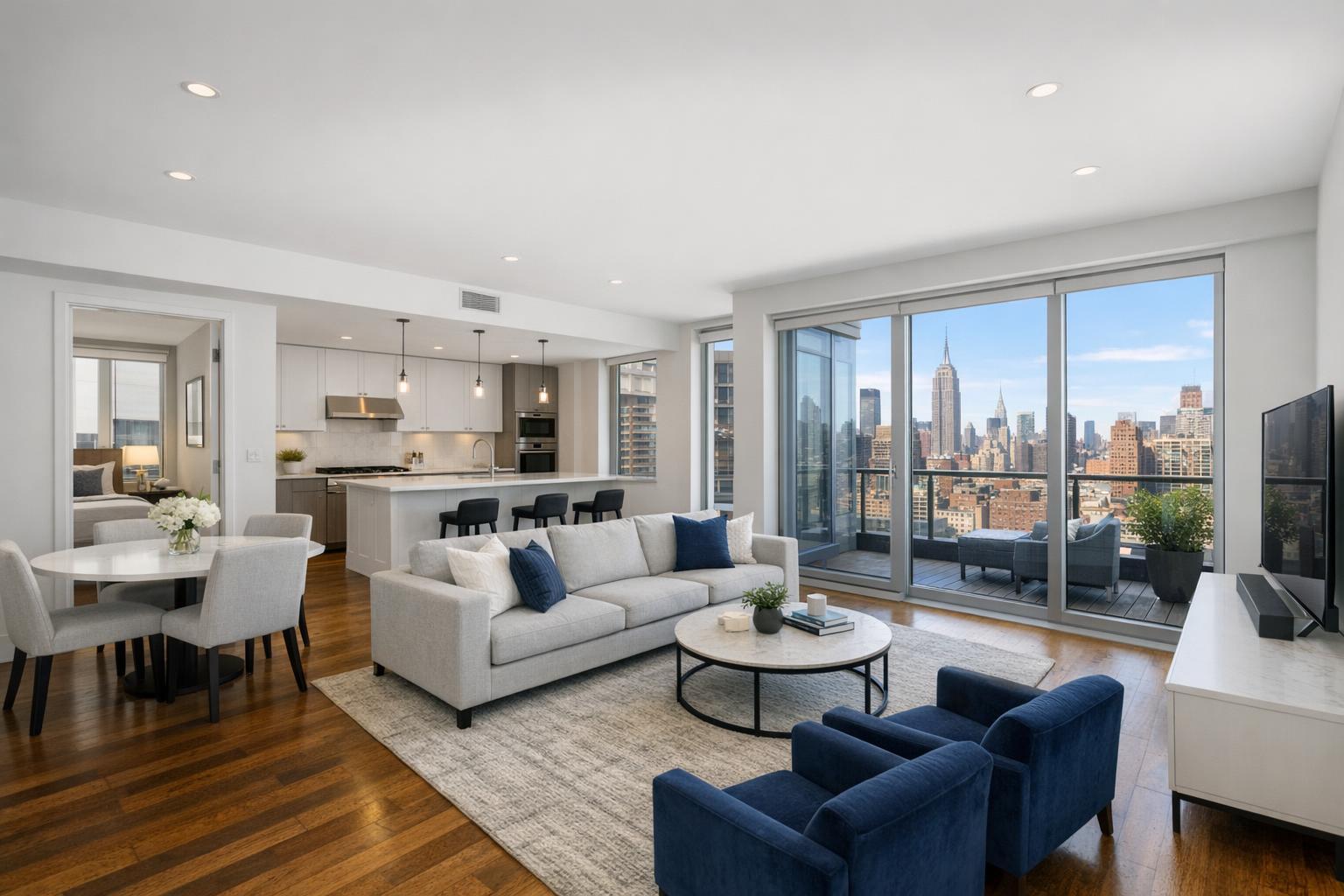
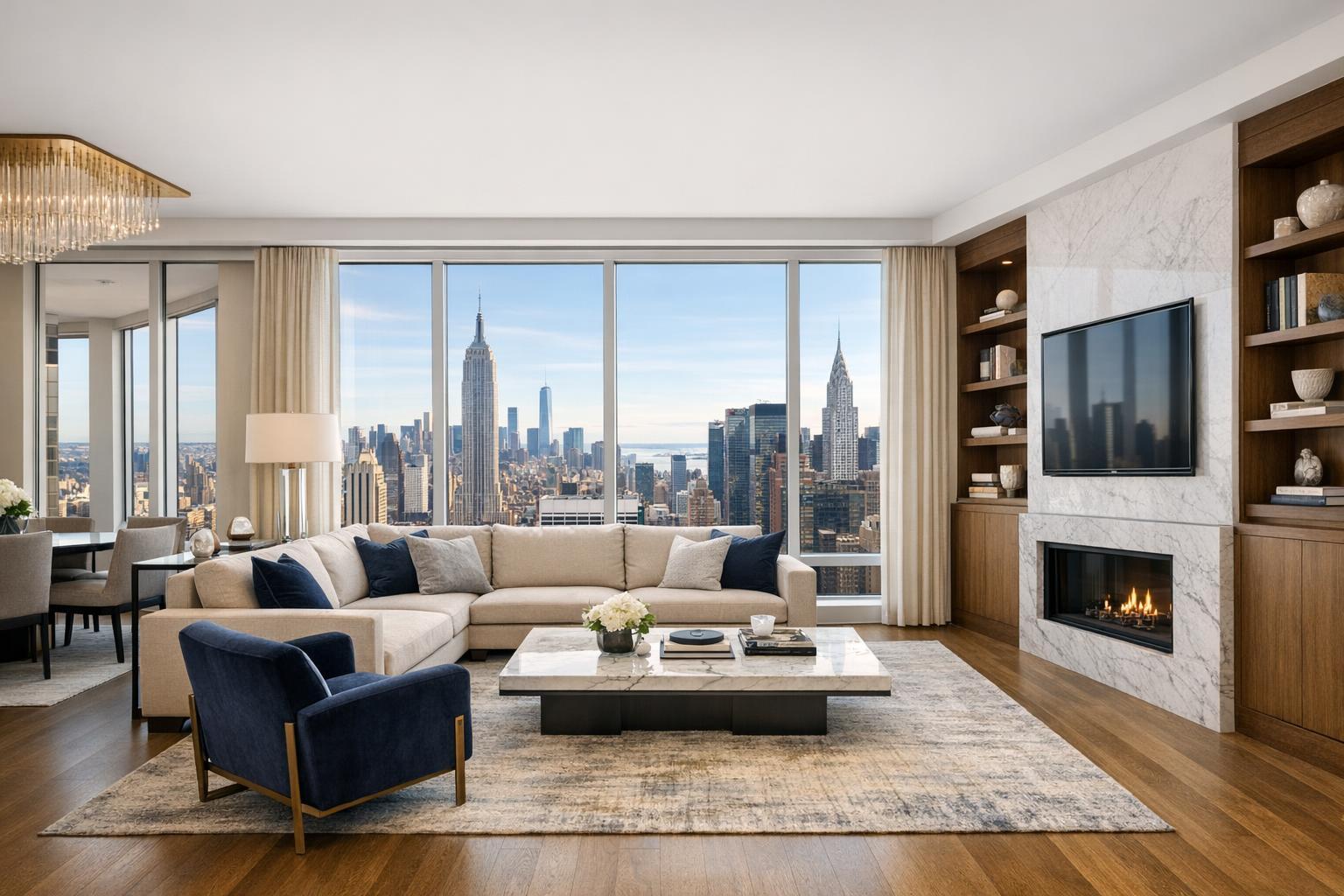
Captured by a Manhattan real estate photographer, a luxurious living room features panoramic city views with iconic skyscrapers, elegant furnishings, and a cozy fireplace.
How to Choose a Manhattan Real Estate Photographer for Your Listing
A Manhattan real estate photographer should offer much more than attractive interior photos. Navigating New York City’s residential landscape requires an understanding of how to accurately represent apartments, co-ops, condos, townhouses, and larger homes—each with their own quirks, tight layouts, exterior views, and building access challenges. In a market where every detail matters, finding the right NYC listing photographer is more about practical expertise than a flashy online gallery.
Below, we break down the key considerations when evaluating real estate photography services in NYC, drawing from the perspective of a media company with deep experience in metropolitan and neighboring markets. If you’re an agent, broker, or property owner aiming to showcase your listing to its fullest, these are the practical factors that belong at the top of your checklist.
Matching Experience to Your Property
Every corner of Manhattan tells a different architectural story. A high-rise condo with modern finishes will require a different visual approach than a narrow pre-war co-op or a traditionally styled townhouse. When reviewing a photographer’s work, look beyond their standout images; instead, focus on examples similar to your own listing in scale, design, and unique features.
What does real NYC experience look like?
- Small apartments: Skillful framing is critical to communicate a sense of flow without exaggerating the true size of rooms.
- Co-ops: Historic details, unique window treatments, and millwork can be just as important as square footage.
- Condos: Clean, modern visuals and skyline views are often part of the story.
- Townhouses: Multi-level layouts, garden access, and connecting spaces require clear photographic storytelling.
- Larger homes: More space doesn’t necessarily call for more photos—selectivity helps buyers focus on key features.
Ask any service you’re considering to show work from listings that match your own property type and layout, not just their top-dollar penthouses or staged showpieces. The ability to bring order and clarity to a compact or lived-in apartment is just as crucial to successful Manhattan real estate media as capturing a sweeping penthouse view.
Beyond Bright Photos: What Makes a Room Look Right?
Professional editing is important, but exceptional real estate photography in NYC starts with the right choices on site. Narrow rooms, angular floor plans, entryways that open straight into a main space—these are common city realities that challenge even seasoned shooters.
Common Urban Layout Challenges
- Tight or unusual spaces: Wide-angle lenses can help show more, but careless use leads to distortion—walls may appear to bulge, or doorways may look disproportionately wide. Authenticity is key; buyers shouldn’t be surprised by a room’s scale upon arrival.
- Depth and clarity: The best frames show the relationship between spaces, leading the eye logically from one area to another so prospective buyers can mentally “walk through” the property.
Architectural Lines and Window Management
- Vertical consistency: In homes with tall windows or distinct built-ins, keeping vertical lines straight (not slanted) makes photos feel more professional and less rushed.
- Managing daylight: With many Manhattan properties boasting oversized windows or impressive city views, capturing both the sunlight outside and the detail inside is part technical challenge, part creative decision. Sometimes the window view is the focus; in other cases, the interior needs to take center stage. Both approaches should look intentional and harmonious.
Editing Should Refine, Not Reshape
Inconsistent or heavy-handed editing can turn a real apartment into a visual fiction, frustrating both buyers and sellers. Instead, look for a consistent editing style across each listing: true-to-life colors, clear window views, clean verticals, and a balanced look that runs from hero images right through to secondary rooms.
For example, at RealtaSnap, post-production aims to refine what’s captured on site—never to invent or dramatically alter property features. This keeps your listing’s visual story grounded in reality, which builds trust with prospective buyers.
Don’t Forget NYC Logistics
Scheduling a shoot in Manhattan can be more complicated than booking in other markets. Doormen, management teams, service elevators, vendor paperwork, and time restrictions can all factor in. Before a shoot, share as much as you know with the photographer:
- Does management need advance notice?
- Are there limits on the service elevator or a sign-in process?
- Is access to rooftop, amenity, or outdoor spaces required?
- Who will be present for access, and how is entry arranged?
Reliable real estate photography services in NYC will ask for these details upfront and communicate any access needs and timing constraints. In our experience, clear communication before arrival leads to a smoother session and minimizes the risk of missing critical features.
The Right Media Plan: Photography and Beyond
Not every property needs a full suite of extras. Often, a careful set of professional photographs is enough—especially for smaller apartments or straightforward layouts. However, it’s worth evaluating when to add:
- Video: Useful for showing movement and layout in larger homes, townhouses, or properties with impressive entry sequences or indoor-outdoor connections. Unlike basic slideshows, a video tour needs to be captured on site to convey a sense of flow.
- Floor plans: Indispensable for listings with flexible or unusual layouts, duplexes, or larger homes with many rooms. A true-to-life floor plan requires a visit; outdated PDFs can easily mislead.
- 3D virtual tours: Interactive digital tours, popular with remote buyers or for homes with complex layouts, require in-person scanning for a faithful result.
- Virtual staging: Clean, vacant rooms sometimes need a little help to convey their potential as living spaces, but staging should always be grounded in clarity—never layered over occupied or cluttered rooms.
- Aerial media: Drone photography can be valuable for certain buildings, rooftops, or homes near parks and water, but rules, weather, and access in Manhattan need to be sorted ahead of time.
You can explore RealtaSnap’s real estate photography services in NYC and NJ for a breakdown of available media options. Not all formats fit every listing, but understanding your options allows you to target your budget to what’s truly useful.
Preparing the Property: Clients Make the Biggest Difference
What happens before the photographer arrives often determines the impact of your media. In occupied homes, preparation focuses on reducing clutter:
- Clear surfaces and simplify décor.
- Tuck away cords, personal items, and pet gear.
- Edit furniture to open walkways and reveal actual space.
- Let in natural light where appropriate.
- Make sure fixtures are working and bulbs are fresh.
For vacant properties, think about how each room will appear in photos—it can help to identify where virtual staging or closer detail shots might aid in marketing. For high-end or larger listings, a bit more pre-styling, specific timing for natural light, and a careful shot list can help ensure you’re putting your best foot forward.
Questions Worth Asking Before You Hire
Even a brief conversation with a potential provider can reveal a lot. Consider discussing:
- Experience with similar property types or building classes.
- Approaches to small spaces, windows, and daylight.
- Steps to maintain natural-looking verticals and straight architectural lines.
- Information needed for access, shooting schedules, and key features.
- Whether photography alone is right for your listing, or whether it should be paired with a floor plan, video, virtual tour, staging, or aerial media.
- How editing requests and additional services are handled.
- Preparation expectations for sellers, tenants, or occupants.
The most reliable real estate photographers in Manhattan will answer with practical advice, not just promises of fast turnaround or dramatic “before-and-after” shots.
Selecting a True Media Partner
A Manhattan listing benefits from much more than a gallery of impressive photos. The right NYC real estate photography team will help you make the space feel understandable, attractive, and true to life—blending portfolio quality, thoughtful composition, consistent editing, logistical awareness, and honest recommendations about which media will help you most.
If you’re considering a listing in Manhattan, the greater NYC region, or New Jersey, RealtaSnap provides clear, listing-focused media with a straightforward booking process. To learn more about our services—or to discuss an upcoming property—start at www.RealtaSnap.com.
FAQ
Question: How far ahead should I book a Manhattan real estate photographer?
Answer: It’s smart to book early, especially if your building has strict vendor approval rules, limited elevator windows, or a tight timeline for listing. Gather details on access, management instructions, and anyone who needs to be present before confirming your appointment.
Question: Is the photography approach different for occupied vs. vacant apartments?
Answer: Yes. Occupied properties typically need more preparation to reduce personal touches and excess furniture, which can distract from the home’s features. Vacant spaces benefit from intentional camera angles, and sometimes virtual staging, to help prospective buyers understand possible room uses.
Question: Can drone photography be added to any Manhattan property listing?
Answer: Drone usage in Manhattan depends on more than just desire—it comes down to local airspace regulations, weather, access, safety concerns, building management approval, and FAA rules. It’s best seen as a case-by-case option; reach out before planning to include aerial media in your listing.